Complete DMV Road Signs List
All 124 official MUTCD signs with meanings, shapes, and required actions
Road sign questions appear on every US state’s DMV written test, making up roughly 10–15% of all questions. This free guide covers the 124 signs you’re most likely to see on exam day, each with its official MUTCD code, meaning, and what to do when you see it.
Already familiar with signs? Jump to a free practice test for your state.
Regulatory Signs(42)
Regulatory signs tell you about traffic laws and regulations. They inform drivers of laws that apply to a particular road or intersection and must be obeyed — just like any other traffic law. Most regulatory signs are white rectangles with black or red markings.
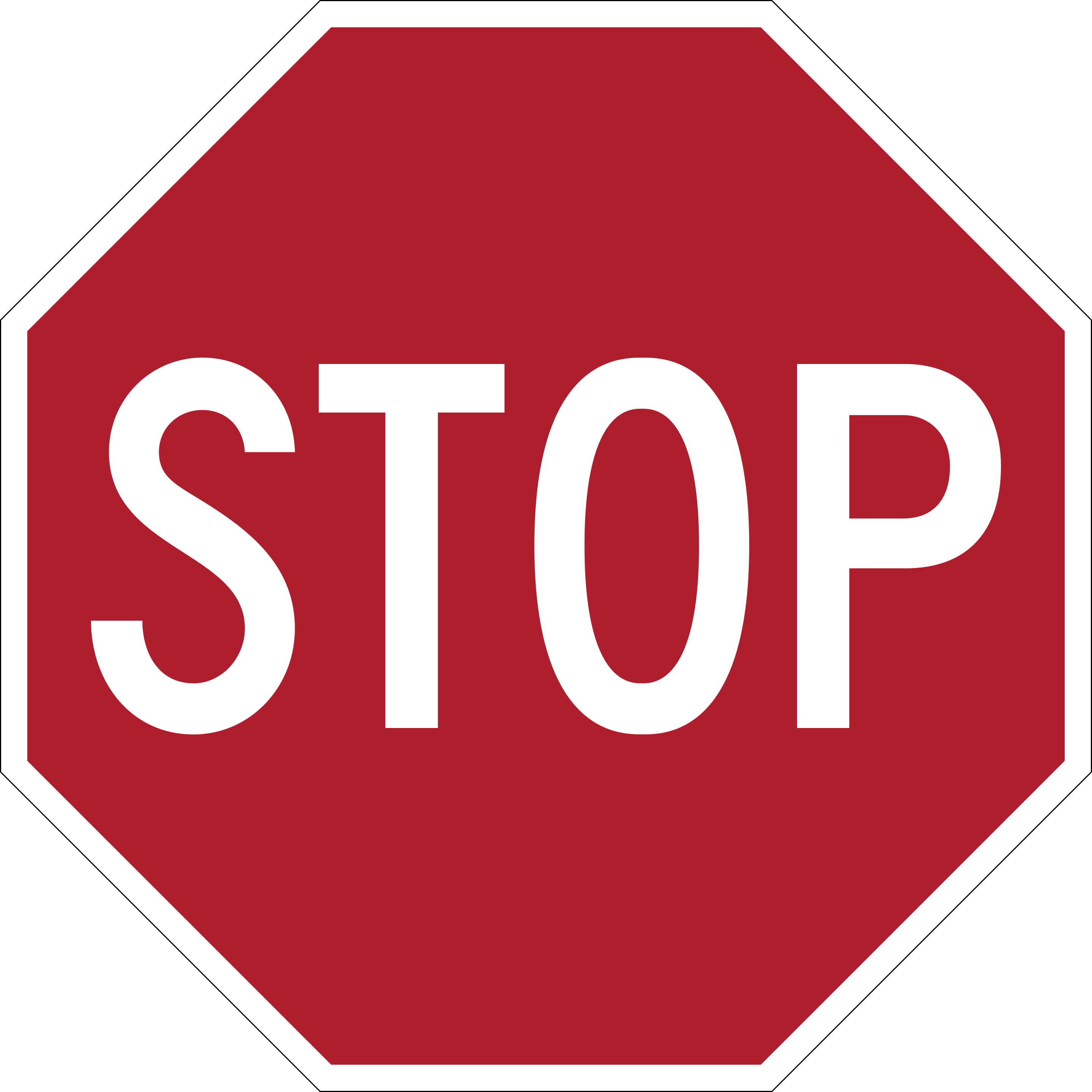
Stop Sign
R1-1
Come to a complete stop before the stop line or crosswalk. Yield to pedestrians and cross traffic before proceeding.
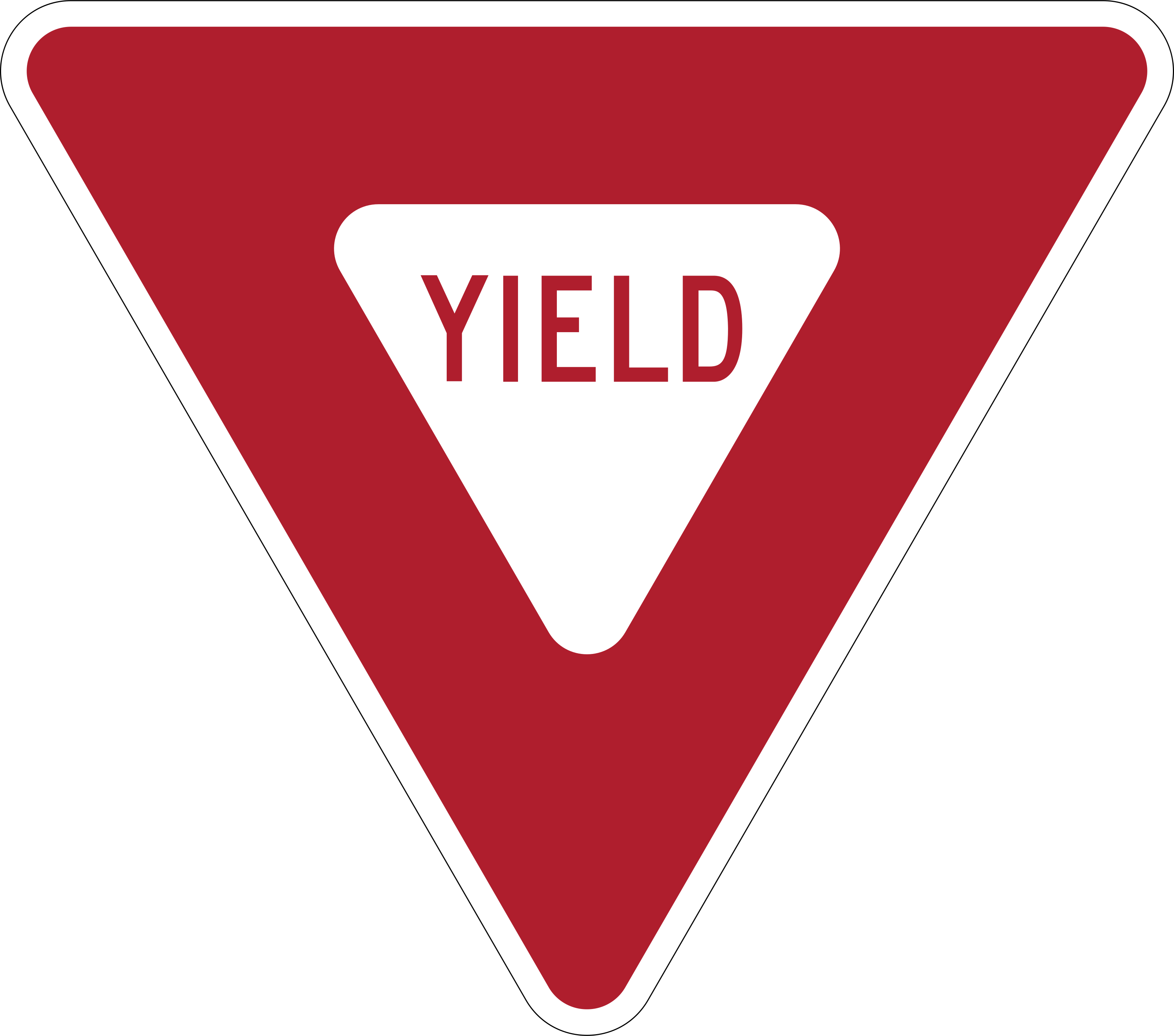
Yield Sign
R1-2
Slow down and be prepared to stop. Give the right-of-way to traffic and pedestrians already in the intersection or roadway.
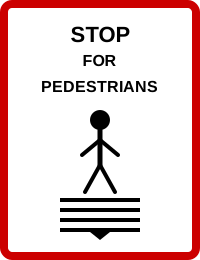
Stop for Pedestrians in Crosswalk
R1-5b
Stop for pedestrians within the crosswalk. Yield the right-of-way to people on foot.
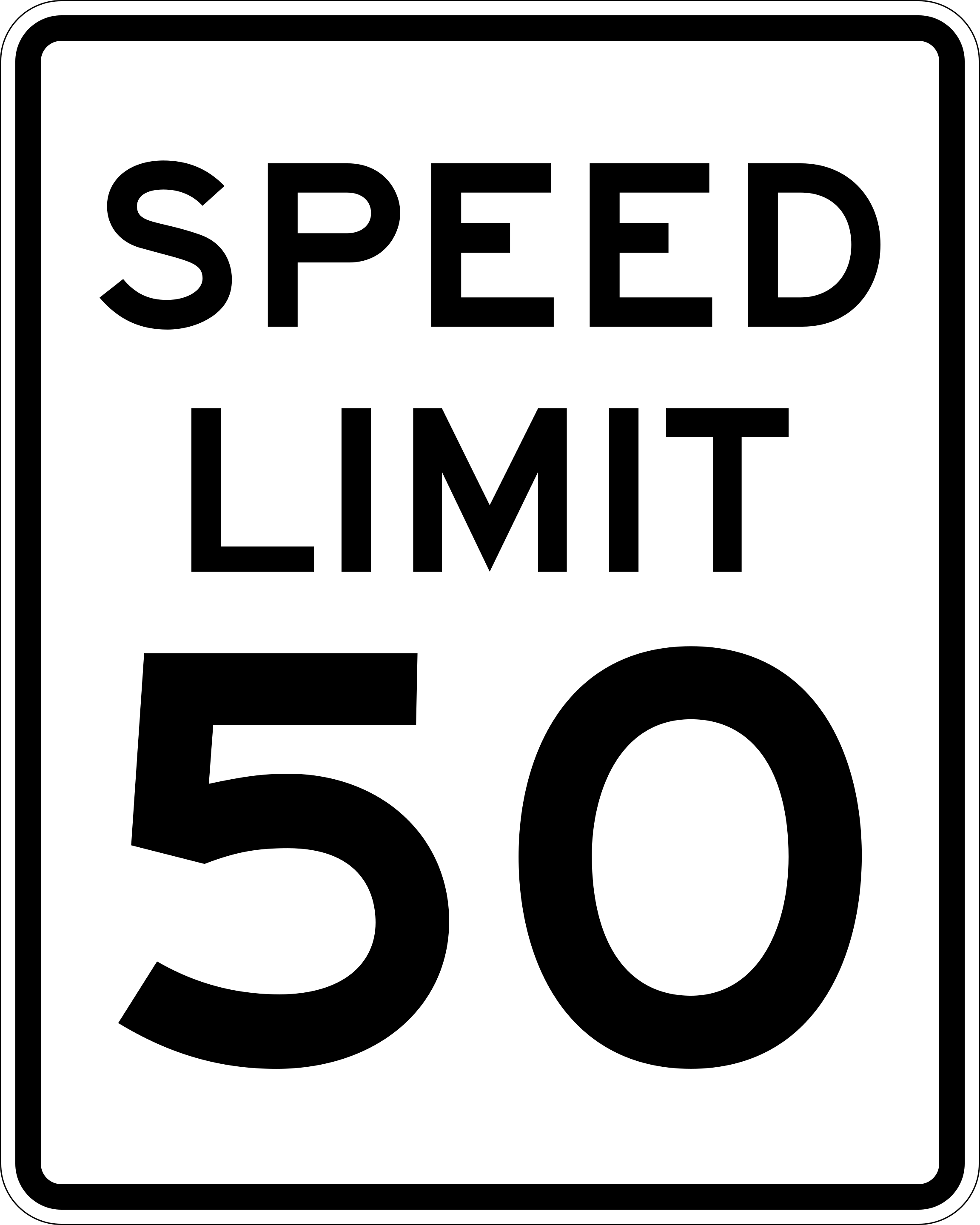
Speed Limit
R2-1
Do not exceed the posted speed. This is the maximum legal speed under ideal conditions.
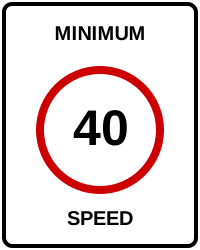
Minimum Speed
R2-4P
You must travel at least the posted minimum speed unless conditions make it unsafe.
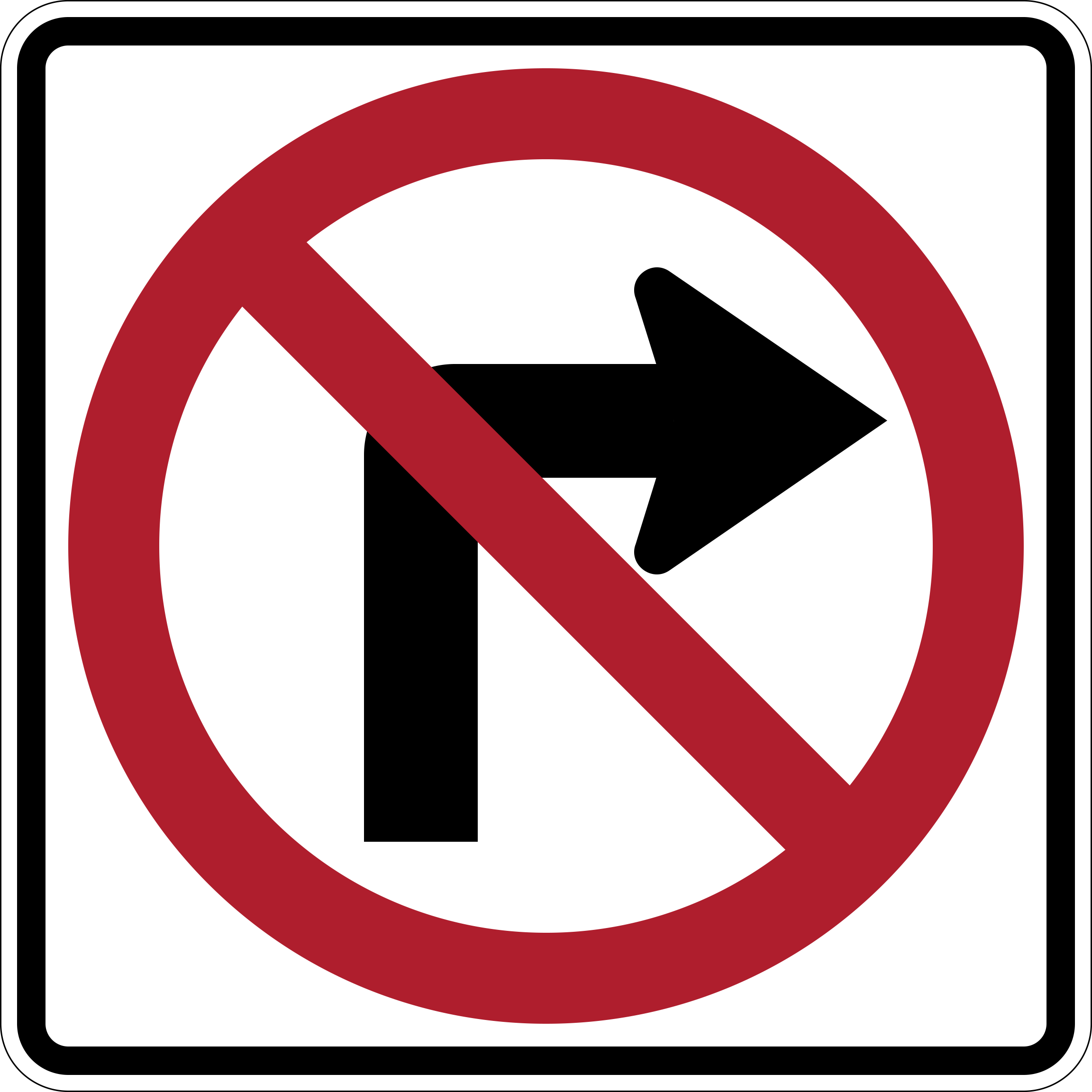
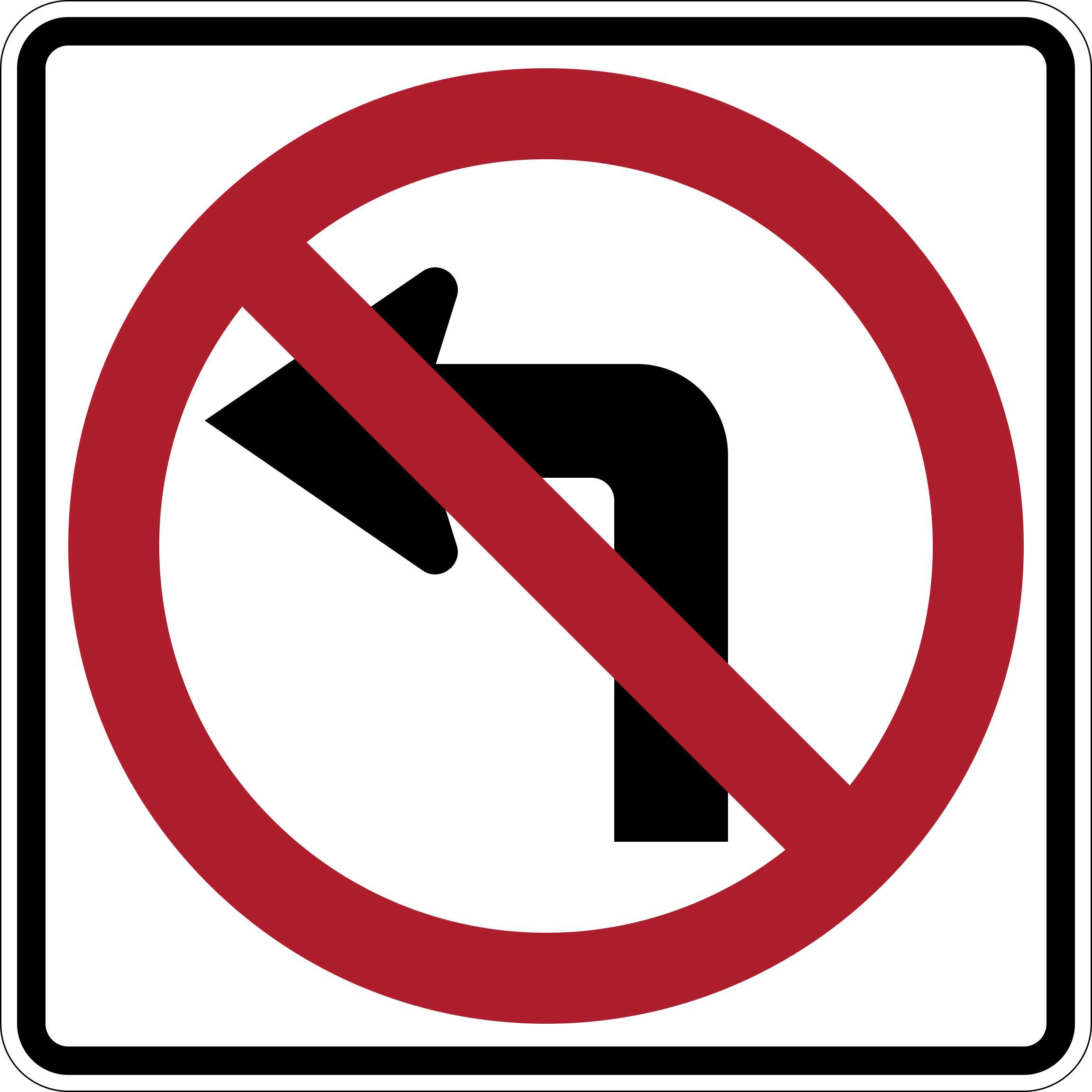
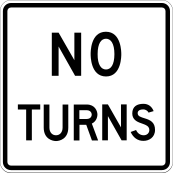
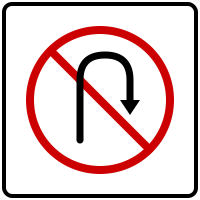
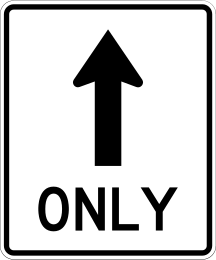
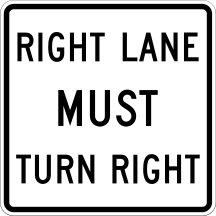
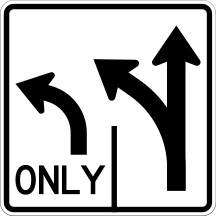
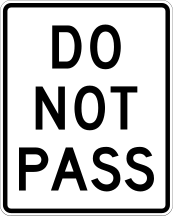
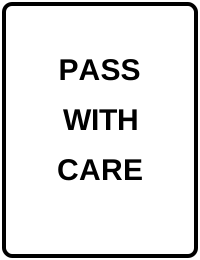
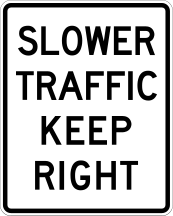
Slower Traffic Keep Right
R4-3
Vehicles traveling slower than the normal speed of traffic should use the right lane.
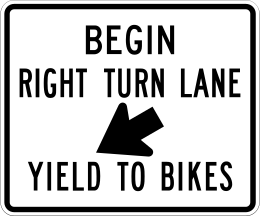
Begin Right Turn Lane Yield to Bikes
R4-4
A right turn lane begins ahead. Yield to bicyclists when changing lanes.
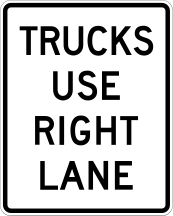
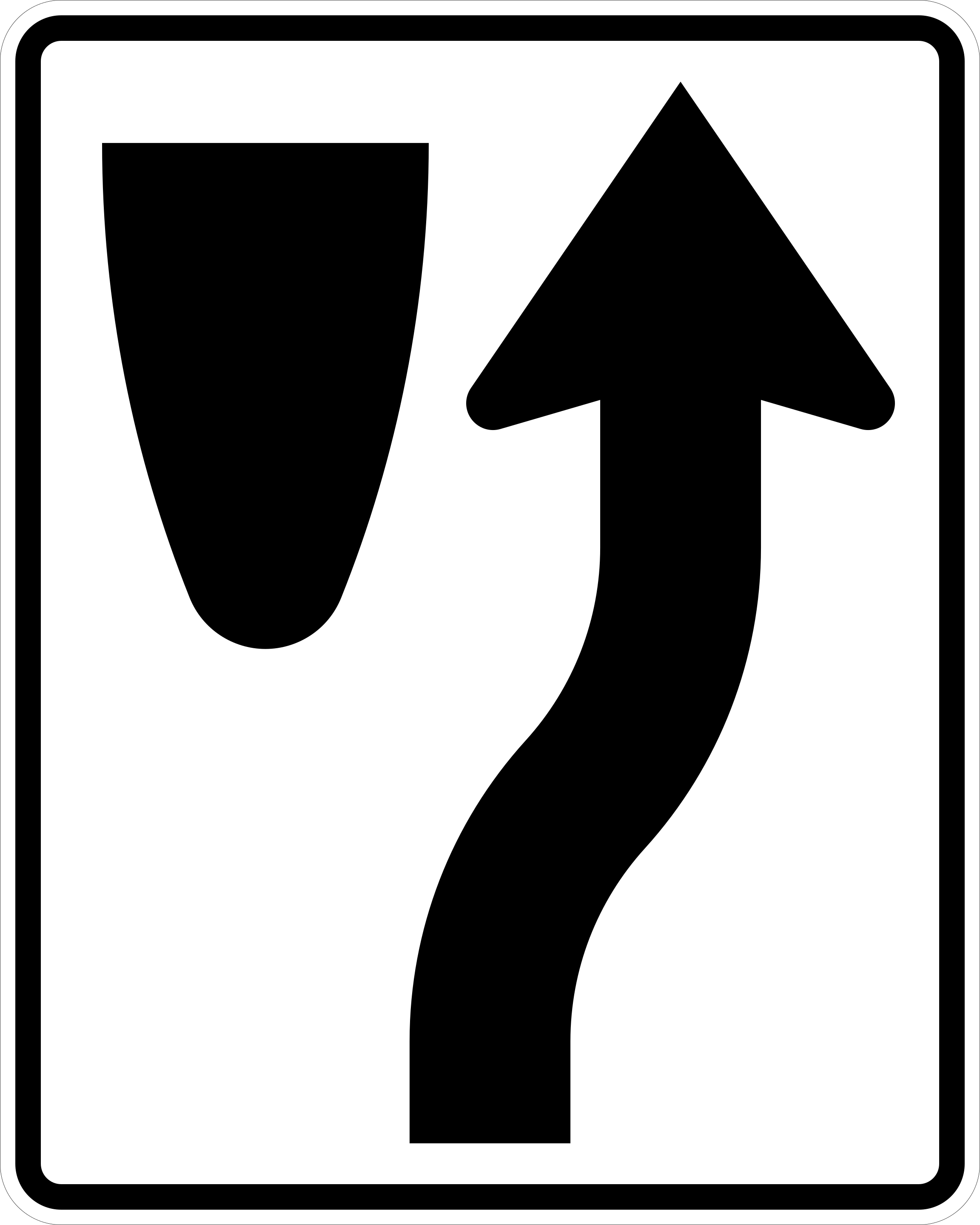
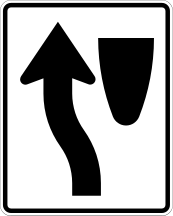
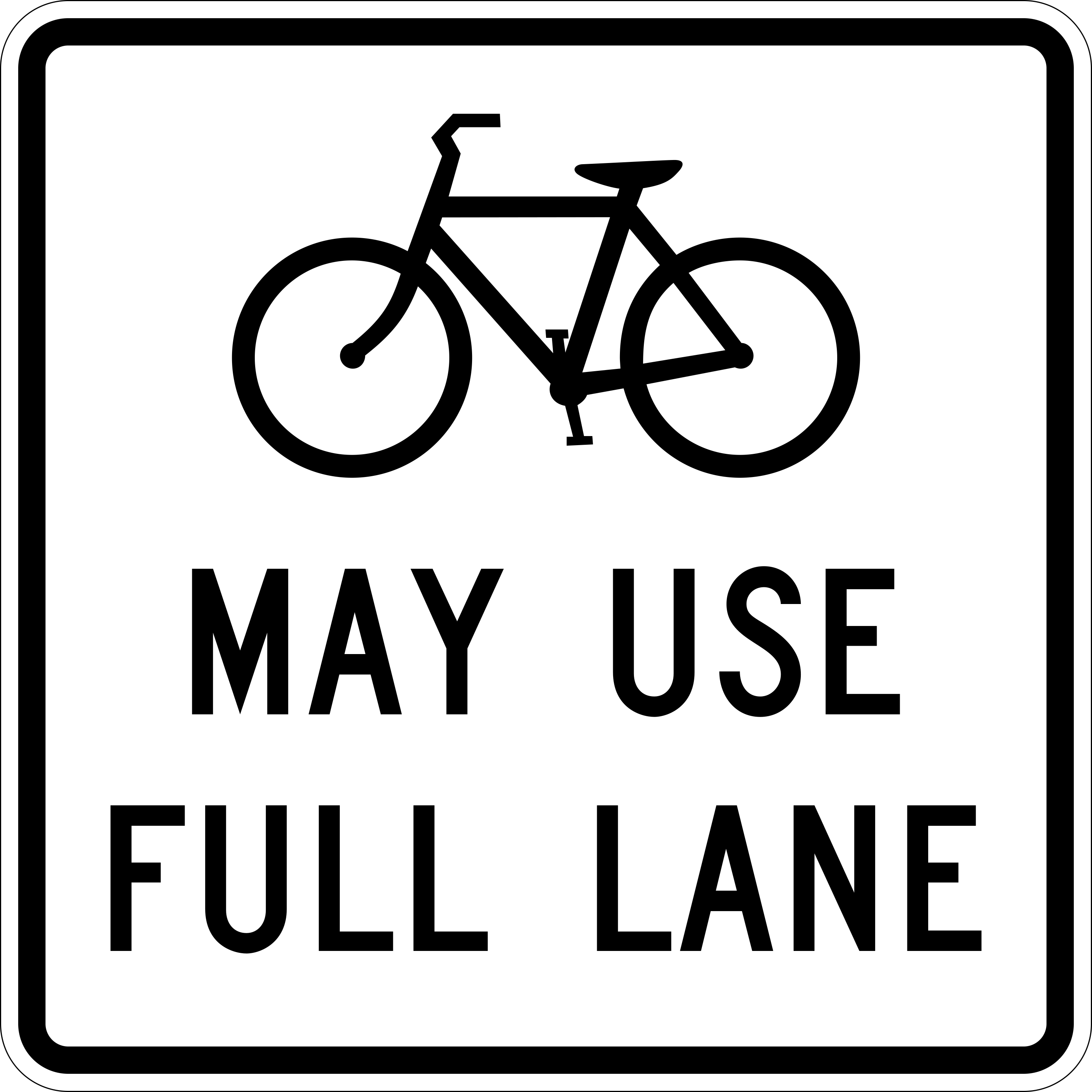
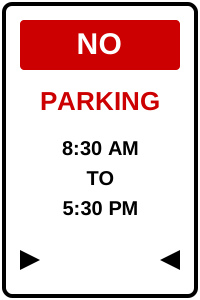
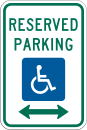
Accessible Parking
R7-8
This parking space is reserved for persons with disabilities who have a valid placard or plate.
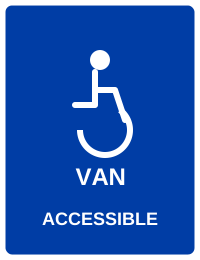
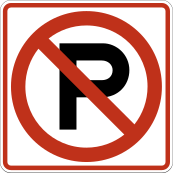
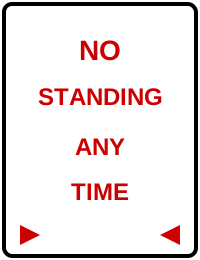
No Standing Any Time
R8-5
No stopping or standing is allowed at any time, even briefly to pick up or drop off passengers.

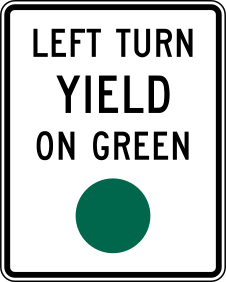
Left Turn Yield on Green
R10-12
When making a left turn on a green signal, you must yield to oncoming traffic.
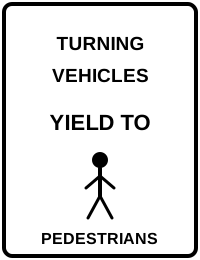
Turning Vehicles Yield to Pedestrians
R10-15
Vehicles making turns must yield to pedestrians in the crosswalk.
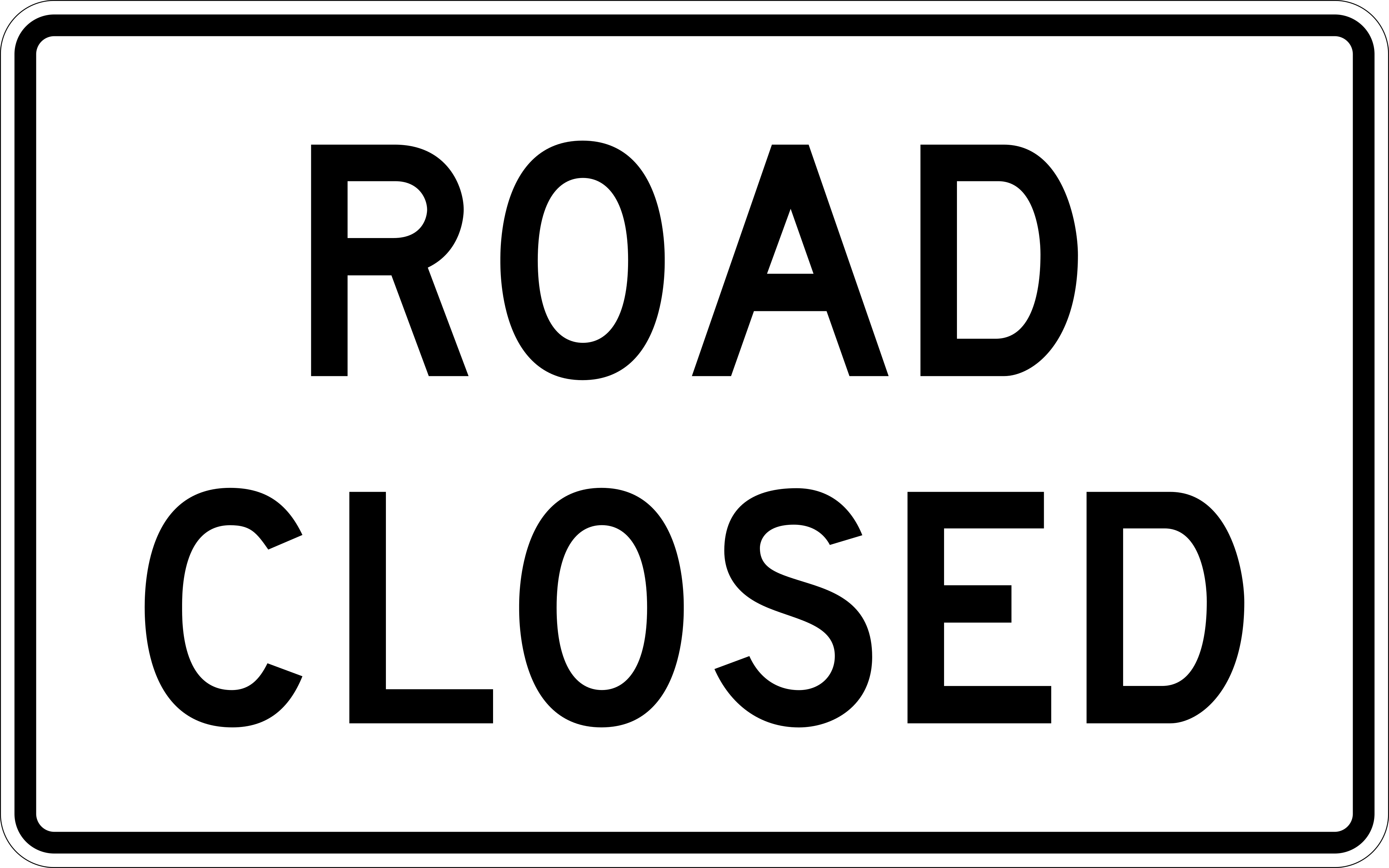
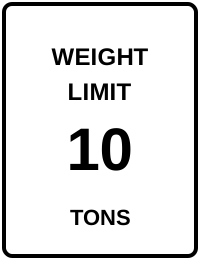
Weight Limit
R12-1
Vehicles exceeding the posted weight are prohibited from using this road or bridge.
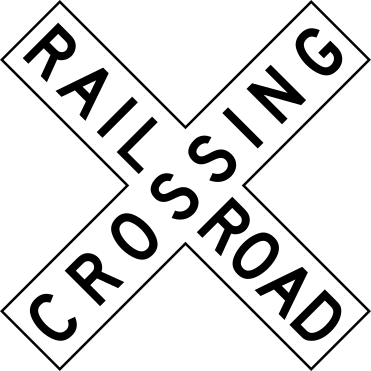
Warning Signs(50)
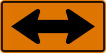
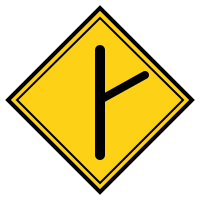
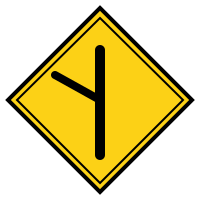
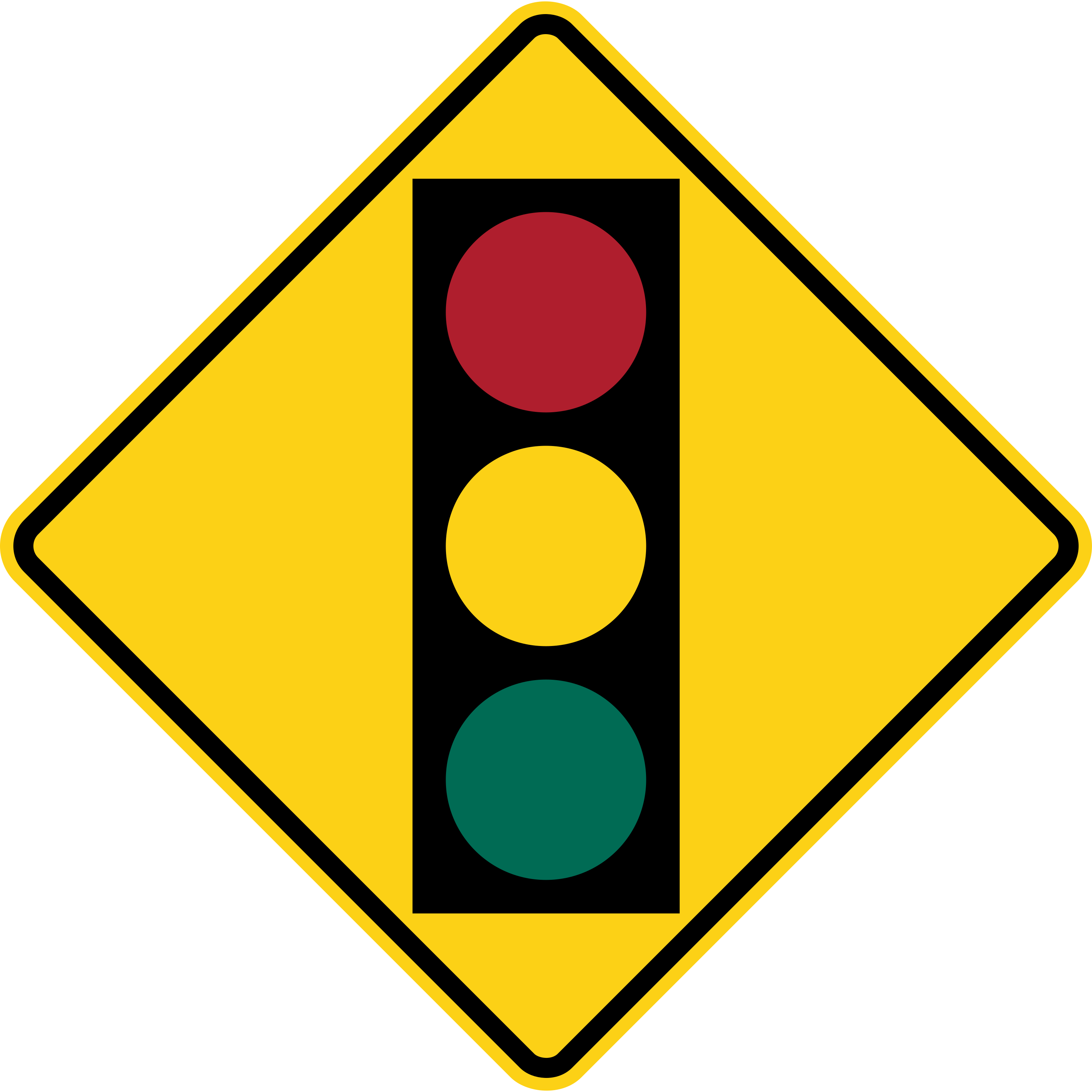
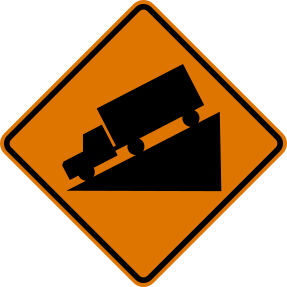
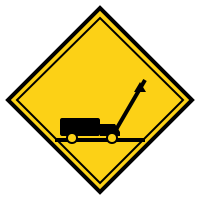
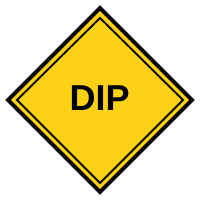
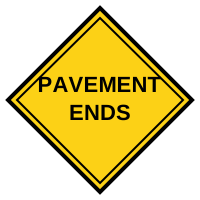
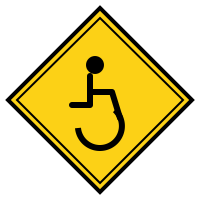
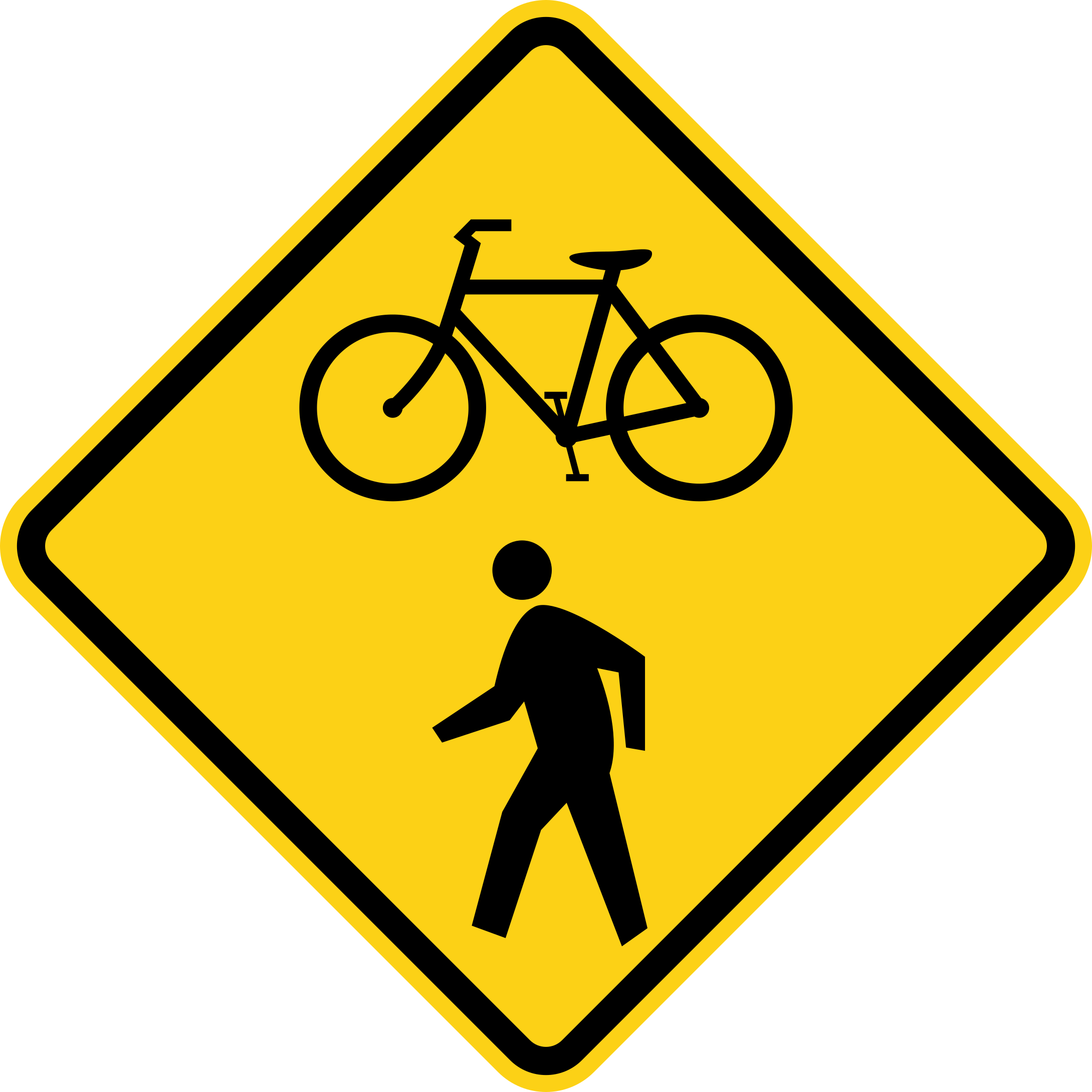
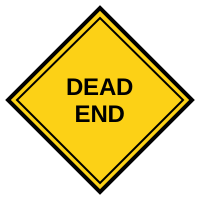
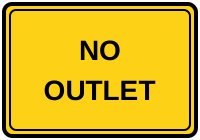
Warning signs alert you to conditions ahead that may require you to slow down or take extra caution. They are typically diamond-shaped with yellow backgrounds and black symbols. While they do not indicate a legal requirement, ignoring them can put you in danger.


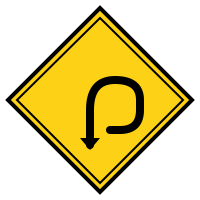
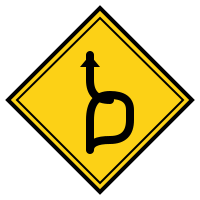

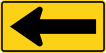





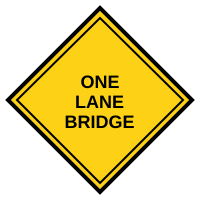
One Lane Bridge
W5-3
The bridge ahead allows only one lane of traffic. Yield to oncoming vehicles already on the bridge.
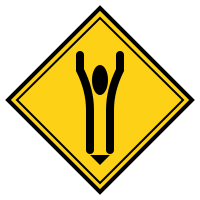
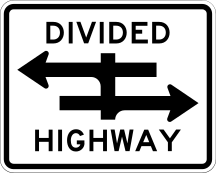
Divided Highway Begins
W6-1
The road ahead becomes a divided highway with a median separating opposing traffic.
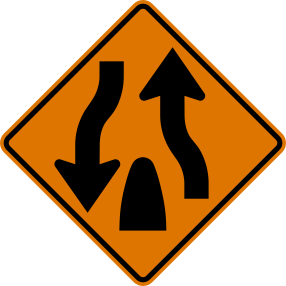
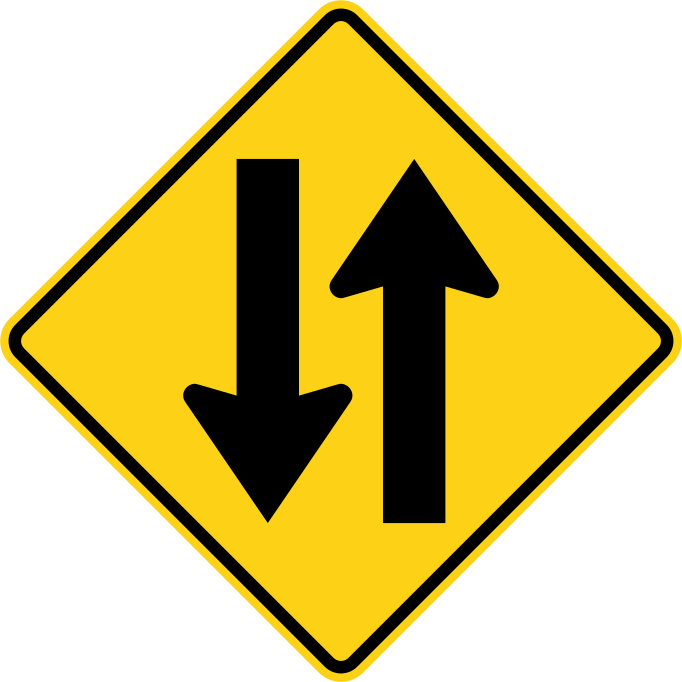



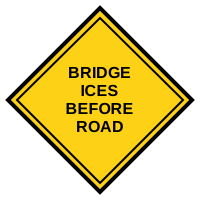
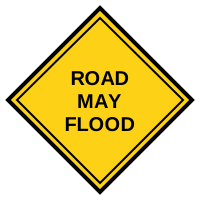
Bridge Ices Before Road
W8-13
The bridge surface freezes before the road surface. Use extreme caution in cold weather.



Railroad Crossing at Intersection
W10-2
A railroad crossing is near an intersection ahead. Watch for trains and crossing traffic.


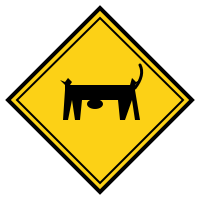
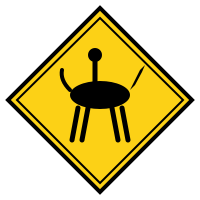
Deer Crossing
W11-3
Deer frequently cross the road in this area. Be alert, especially at dawn and dusk.




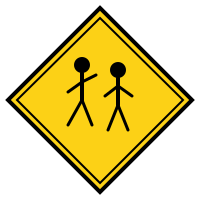
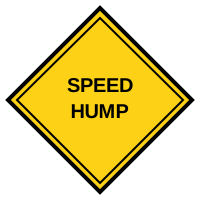
School Signs(5)
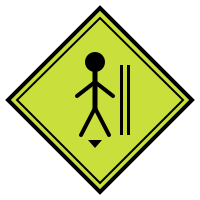
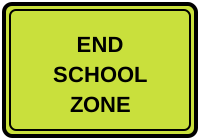
School signs mark school zones and crossings where children may be present. They use a distinctive fluorescent yellow-green color for maximum visibility. Speed limits are reduced in school zones, and fines are typically doubled.


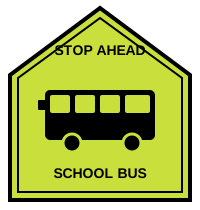
School Bus Stop Ahead
S3-1
A school bus stop is ahead. Be prepared to stop when a school bus displays its stop sign and flashing red lights.
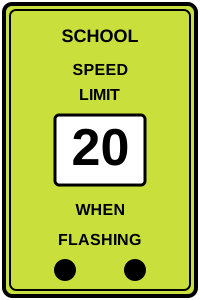
School Speed Limit When Flashing
S5-1
The reduced speed limit is in effect when the beacons are flashing, indicating school hours.
Construction Signs(9)
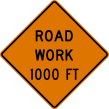
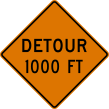
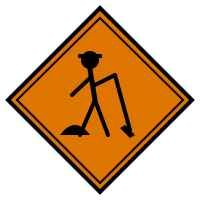
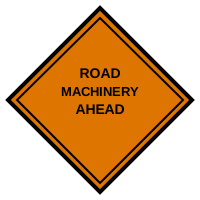
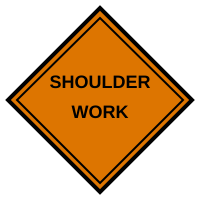
Construction and work zone signs warn of road work, lane closures, and detours. They are orange with black text and symbols. Fines for traffic violations are often doubled in work zones to protect road workers.
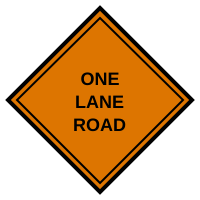
One Lane Road
W20-3
The road is reduced to one lane ahead. Be prepared to take turns with oncoming traffic.
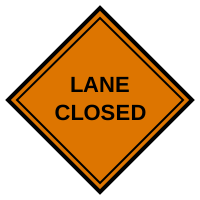
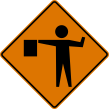
Flagger Ahead
W20-7
A flagger is controlling traffic ahead. Be prepared to stop and follow their directions.
Guide Signs(4)
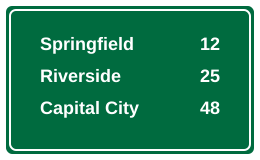
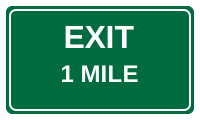
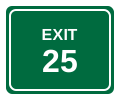
Guide signs provide information about destinations, distances, and directions. They are green with white text and help drivers navigate to cities, highways, and other destinations.
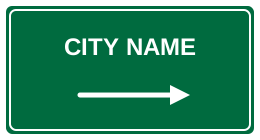
Destination
D1-1
Follow this sign toward the indicated destination. Green signs guide you to cities and highways.
Service Signs(10)
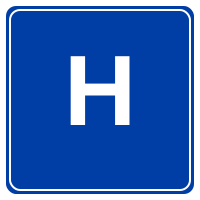
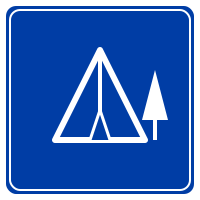
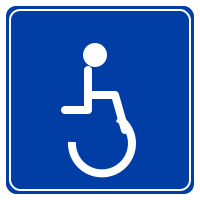
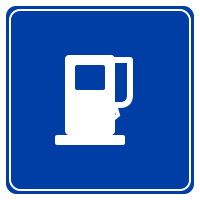
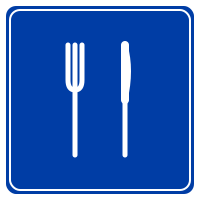
Service signs are blue with white symbols and indicate the availability of services such as gas, food, lodging, hospitals, and rest areas near highway exits.
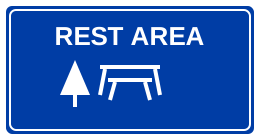
Rest Area
D5-1
A rest area with facilities is ahead. Services typically include restrooms and picnic areas.
Tourist Information
D9-10
A tourist information center is nearby where you can get maps and local information.
Route Markers(4)
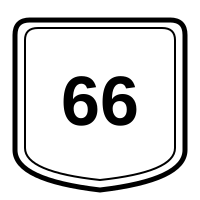
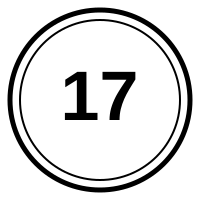
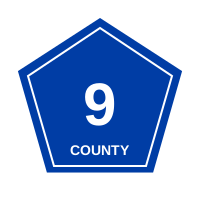
Route markers identify the type and number of the road you are traveling on. Different shapes and colors indicate Interstate highways, US routes, state highways, and county roads.
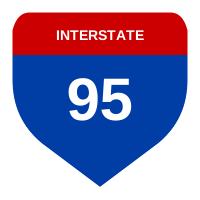
Interstate Shield
M1-1
This road is part of the Interstate Highway System. The number identifies the specific route.
How Road Signs Are Tested on the DMV Exam
Most states test road signs in one of three ways: showing you a sign image and asking what it means, describing a situation and asking which sign applies, or asking what action you should take when you see a specific sign.
Regulatory signs are tested more frequently because they represent legal requirements. Warning signs are tested to ensure you can anticipate hazards ahead.
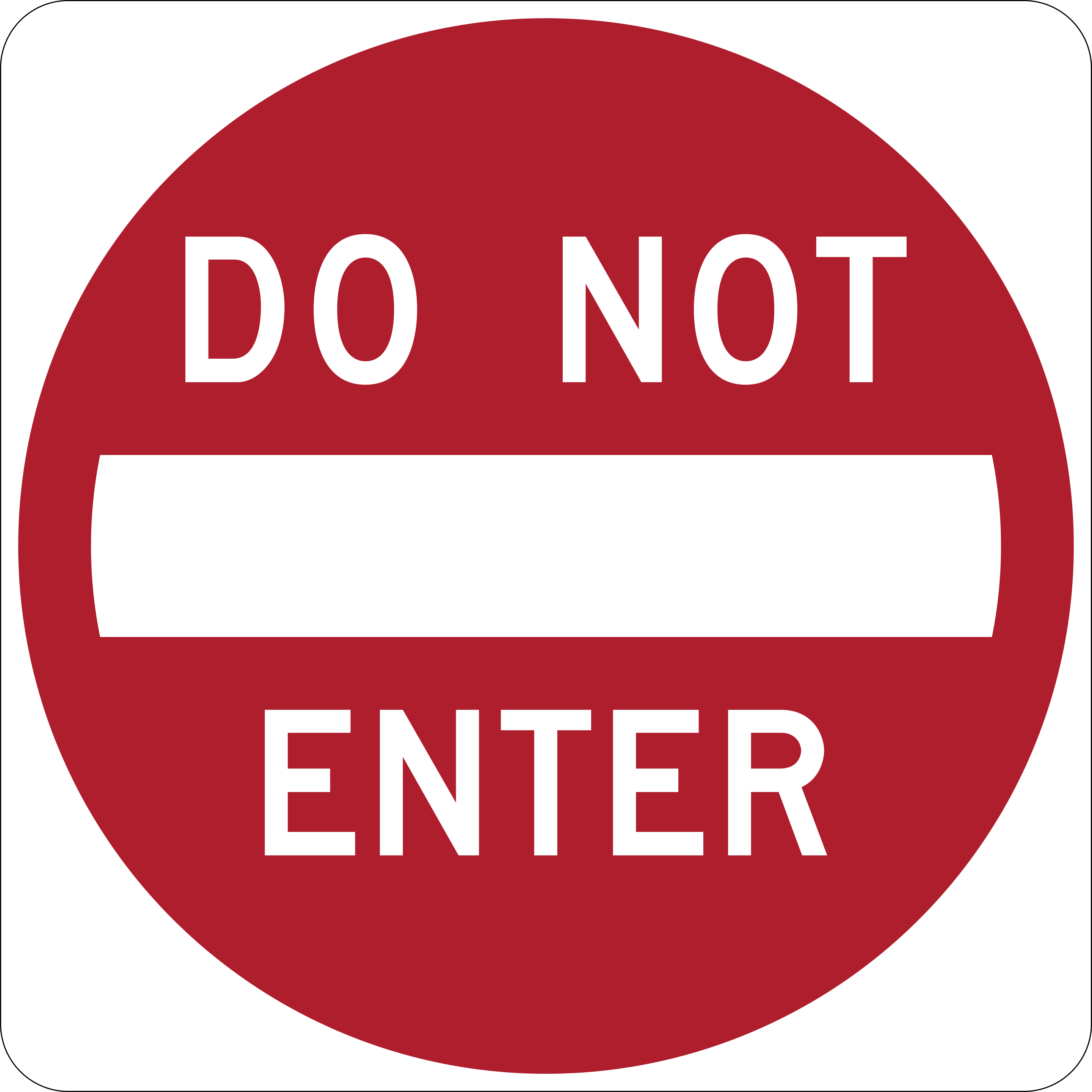
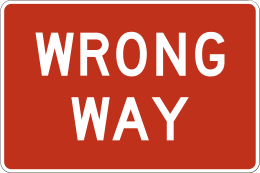
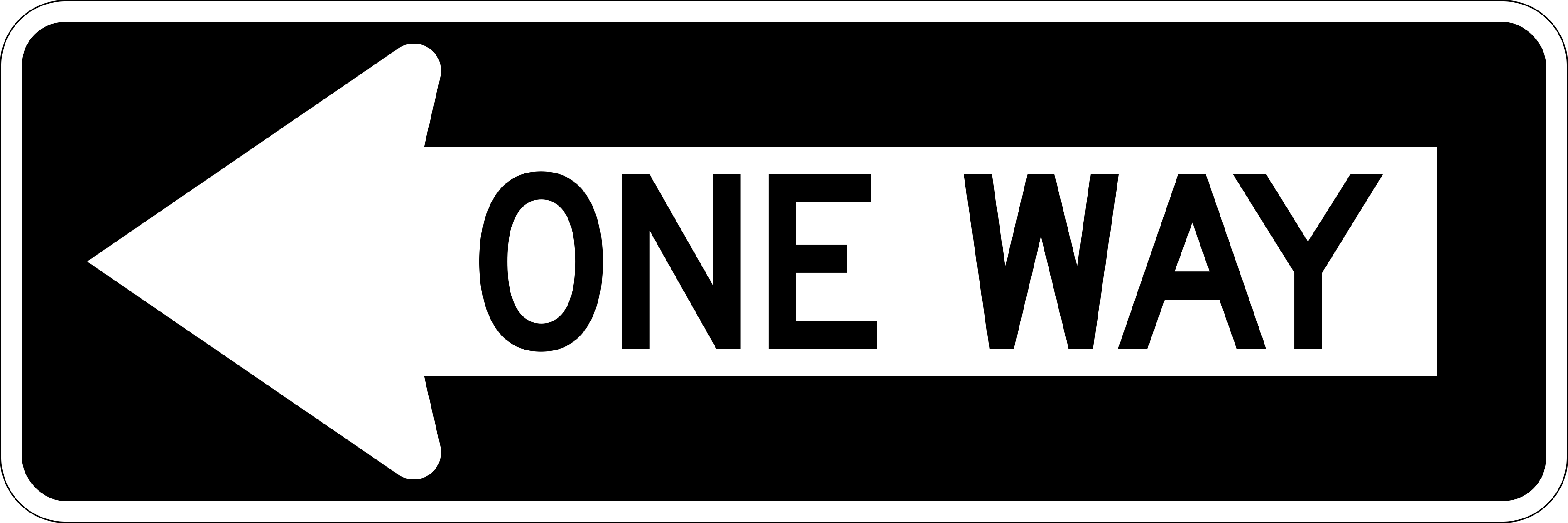
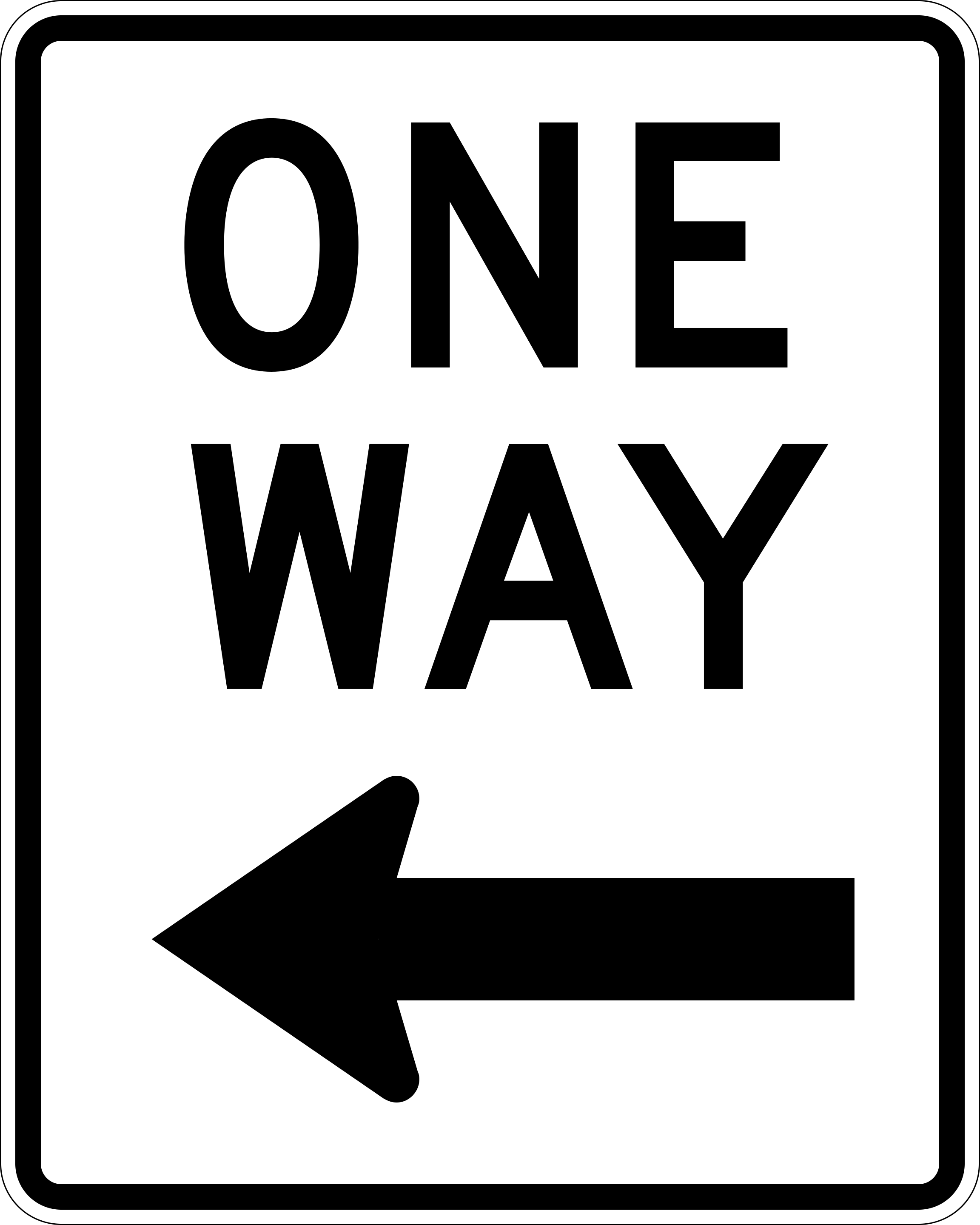
The 7 most commonly tested signs: Stop, Yield, Do Not Enter, Wrong Way, Speed Limit, One Way, and Railroad Crossing. Practice with DMV test questions to see how signs are tested in your state.
Sign Shapes and Colors
A sign’s shape and color tell you its purpose before you can read it — so you can react quickly, even at a distance.
Octagon (8 sides)
Stop — the only octagonal sign
Triangle (inverted)
Yield — slow down and give way
Diamond
Warning — hazard or changing conditions ahead
Rectangle (vertical)
Regulatory — laws you must follow
Rectangle (horizontal)
Guide — directions, distances, services
Pentagon (5 sides)
School zone — watch for children
Circle
Railroad crossing advance warning
Pennant
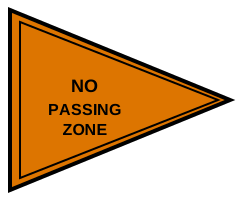
No passing zone
Frequently Asked Questions
How many road sign questions are on the DMV test?
Most states include 5-8 road sign questions out of 20-40 total questions. That's roughly 15-25% of your test — enough to make or break a passing score of 80%.
Do I need to memorize every road sign for the DMV test?
No. Focus on the most commonly tested signs covered in this guide. Regulatory signs (Stop, Yield, Do Not Enter, Wrong Way, Speed Limit) and warning signs (Merge, Slippery When Wet, Railroad Crossing) appear most often.
Are road signs the same in every state?
Yes. All US road signs follow the federal MUTCD standard, so signs look and mean the same thing in all 50 states. However, each state may emphasize different signs on their specific test.
What's the difference between regulatory and warning signs?
Regulatory signs (white rectangles) are laws — you must obey them. Warning signs (yellow diamonds) alert you to upcoming conditions but don't require a specific legal action.
What is the best way to study road signs for the DMV test?
Study the sign's shape, color, and symbol together — not just its name. Then take practice tests with sign questions. DMV IQ includes road sign questions in every state's practice test.
Practice Road Sign Questions by State
Choose your state to take a free practice test with road sign questions tailored to your state’s exam format.