CDL Practice Tests 2026
Practice tests that tell you exactly when you're ready to pass.
Practice with 2,000+ CDL questions covering General Knowledge, Air Brakes, HazMat, and all endorsements — built from official state CDL handbooks with detailed explanations for every answer. Free to start, no sign-up required.
2,000+
CDL questions
50
states covered
7
endorsements
100%
with explanations
Practice with real questions
2,000+ questions from official CDL handbooks. Every answer includes a detailed explanation and handbook reference.
Focus on what you get wrong
Questions you miss come back automatically. The system tracks your weak spots across every endorsement and builds a personalized study plan.
Know when you're ready
Your IQ Readiness Score™ tracks 6 dimensions of readiness. When you hit 80%+, you're ready to book your test.
Know exactly when you're ready
The IQ Readiness Score™ measures six dimensions of CDL test readiness: memory stability, test performance, content coverage, recent accuracy, difficulty mastery, and reaction speed.
CDL Classes: A, B & C
CDL licenses are divided into three classes based on vehicle weight and type. Your class determines which vehicles you can operate and which endorsement tests you need to take.
Class A
Combination vehicles with a GCWR of 26,001+ lbs when the towed vehicle exceeds 10,000 lbs. Includes tractor-trailers, flatbeds, livestock carriers, and tankers.
Class B
Heavy single vehicles with a GVWR of 26,001+ lbs, or towing a vehicle under 10,000 lbs. Includes straight trucks, large buses, dump trucks, and box trucks.
Class C
Vehicles under 26,001 lbs designed to transport 16+ passengers or carrying hazardous materials requiring placards. Includes small passenger vans and HazMat delivery vehicles.
CDL Endorsements
HazMat(H)
The HazMat endorsement (H) authorizes you to transport hazardous materials in commercial vehicles. This is one of the most sought-after CDL endorsements because it opens doors to higher-paying freight routes, including fuel tankers and chemical transports. Federal law requires a TSA background check in addition to the written knowledge test.
Practice NowRequired by MostAir Brakes
The air brakes endorsement removes the air brake restriction from your CDL, allowing you to operate any commercial vehicle equipped with air brakes. Nearly all heavy trucks and buses use air brake systems, so passing this test is essential for most CDL holders. Without it, your CDL will carry a restriction limiting you to vehicles without air brakes.
Practice NowTanker(N)
The Tanker endorsement (N) is required to drive a commercial vehicle designed to transport liquid or gaseous materials in a tank or tanks rated at 119 gallons or more. Liquid cargo behaves differently from solid freight -it surges and shifts, changing the vehicle's center of gravity. This endorsement ensures drivers understand these unique handling challenges.
Practice NowSchool Bus(S)
The School Bus endorsement (S) authorizes you to drive a school bus carrying students. This is one of the most regulated CDL endorsements due to the safety of child passengers. In addition to the knowledge test, most states require a thorough background check, and many require a separate skills test in a school bus. School bus drivers must also hold a Passenger (P) endorsement.
Practice NowPassenger(P)
The Passenger endorsement (P) authorizes you to drive a commercial vehicle designed to carry 16 or more passengers, including the driver. This endorsement is required for bus drivers, shuttle operators, and anyone operating large passenger vehicles. It covers the unique safety considerations of transporting people rather than cargo.
Practice NowDoubles/Triples(T)
The Doubles/Triples endorsement (T) authorizes you to pull double or triple trailers with a Class A CDL. This endorsement is common in long-haul freight operations where companies use multiple trailers for efficiency. Driving doubles and triples requires additional skill because the longer combination amplifies handling challenges like rearward amplification and off-tracking.
Practice NowCombination
Combination vehicles knowledge is tested as part of the Class A CDL general knowledge exam. It covers the operation of tractor-trailer rigs and other combination vehicles where a power unit pulls one or more trailers. Understanding coupling, uncoupling, jackknifing, and the unique handling characteristics of articulated vehicles is essential for any Class A CDL driver.
Practice NowCDL Practice by State
CDL knowledge tests are administered by your state’s DMV or licensing agency. While the CDL handbook is standardized nationally by the FMCSA, each state sets its own fees, procedures, and additional requirements. Select your state for practice questions tailored to your state’s CDL test.
CDL Study Guides
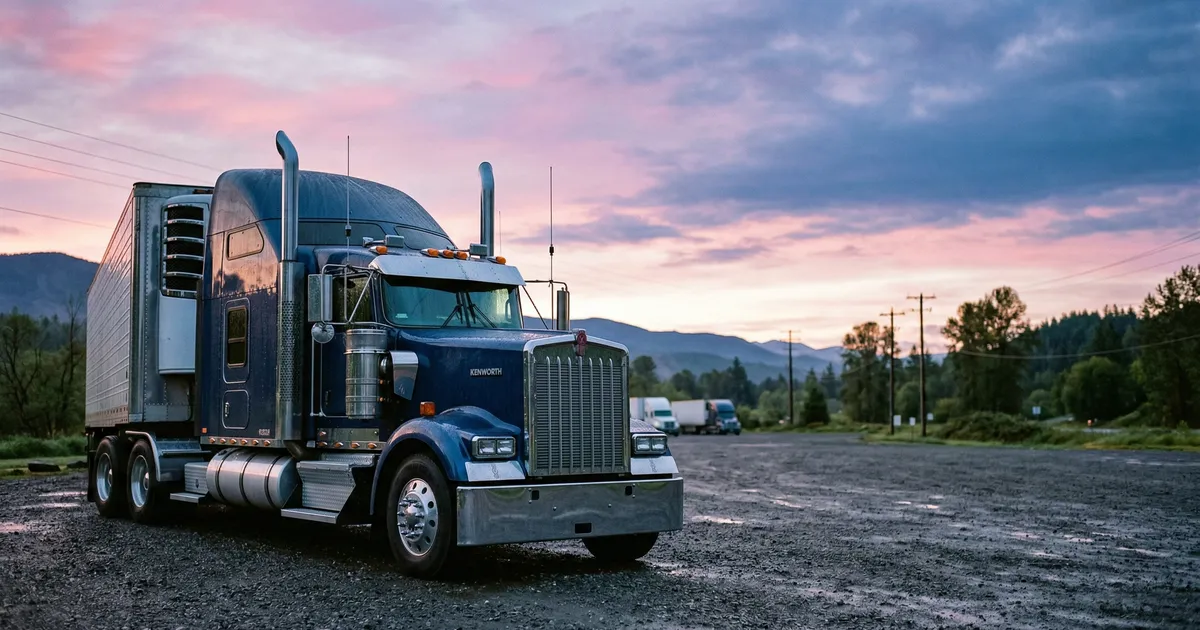
CDL · 7 min read
CDL Practice Test: What to Expect and How to Prepare
The CDL knowledge test is longer and harder than the regular DMV test. Here's how to prepare efficiently.
Read more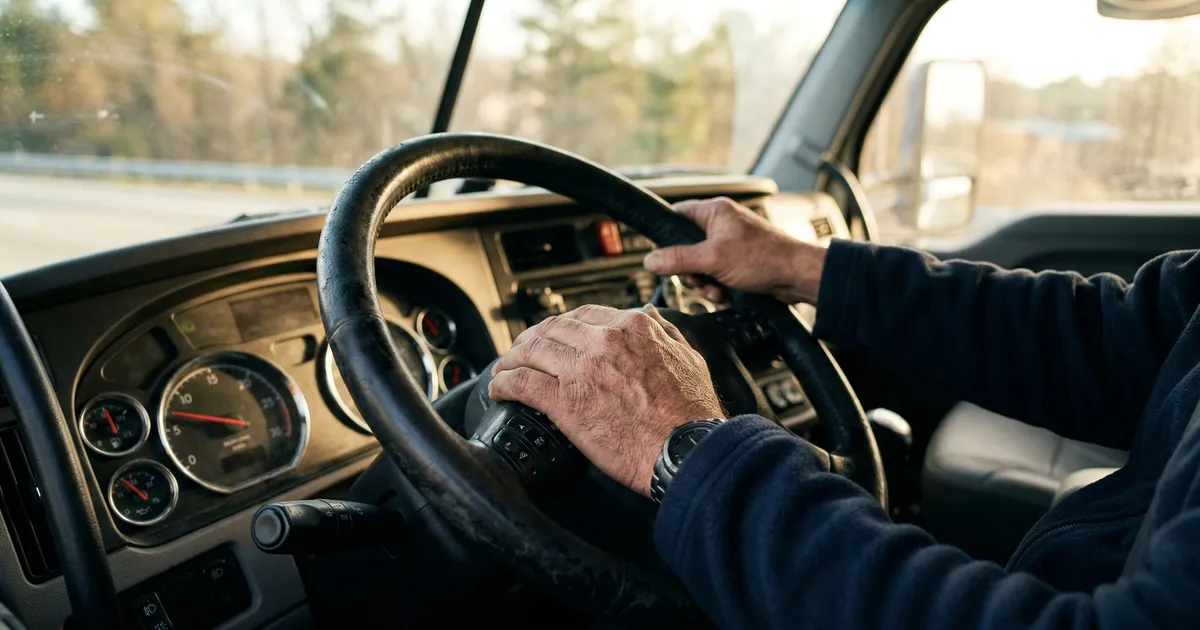
CDL · 6 min read
CDL Endorsements Explained: H, N, P, S, T, X
Each endorsement opens different job opportunities. Learn what H, N, P, S, T, and X mean and which ones you need.
Read more