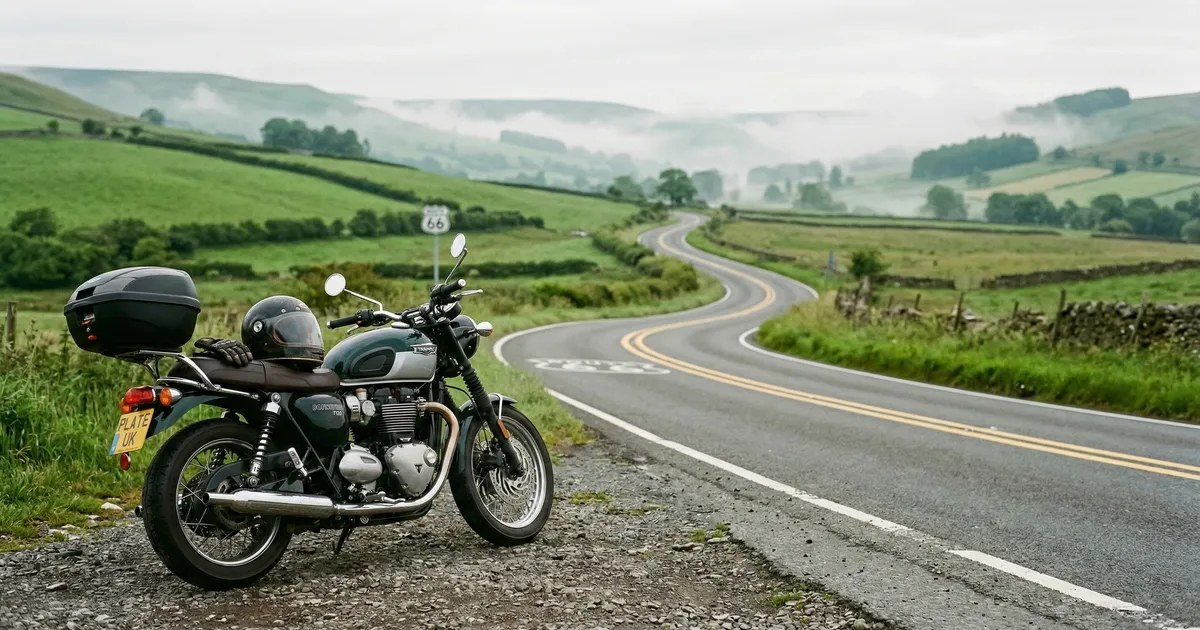
The motorcycle permit test is a separate written exam from the regular car DMV test. It covers motorcycle-specific topics that aren't in the standard driver handbook. Here's how to prepare.
Test format
- Questions: 20-25 multiple-choice questions (varies by state)
- Passing score: 70-84% depending on your state
- Format: Computer-based at most DMV offices
- Time limit: Most states have no time limit
What the test covers
Unlike the car test, the motorcycle permit test focuses on skills and awareness specific to two-wheeled vehicles:
- Protective gear and proper riding attire
- Lane positioning and visibility
- Cornering, turning, and swerving techniques
- Braking (front/rear brake balance)
- Hazard awareness (road surfaces, weather, blind spots)
- Group riding procedures
- Carrying passengers
MSF course vs. DMV test
The Motorcycle Safety Foundation (MSF) Basic RiderCourse is a 2-3 day course that includes classroom and on-bike training. In many states, completing the MSF course waives the riding skills test — you still take the written knowledge test, but you skip the on-motorcycle exam at the DMV.
Highly recommended: Even if your state doesn't require the MSF course, it's one of the best investments a new rider can make. The course teaches emergency maneuvers that are hard to learn safely on your own.
Study strategy
Step 1: Read your state's motorcycle handbook (separate from the car handbook).
Step 2: Take motorcycle practice tests until you consistently score above 90%.
Step 3: Pay extra attention to braking distances and lane positioning — these are the most frequently tested topics.