Test anxiety is a real phenomenon that affects your ability to think clearly, even when you know the material. If you've ever blanked on an answer you studied, anxiety is likely the reason.
Why the DMV test triggers anxiety
- Stakes feel high: Your ability to drive depends on it
- Unfamiliar environment: The DMV office isn't exactly calming
- Time pressure (perceived): Even without a time limit, people rush
- Fear of judgment: Failing a "basic" test feels embarrassing
Before test day
The best antidote to anxiety is preparation. When you've seen every type of question and know the material cold, there's less for your brain to panic about.
- Take enough practice tests that the format feels familiar and routine
- Score 90%+ consistently before scheduling your test
- Visit the DMV beforehand if possible — familiarity reduces anxiety
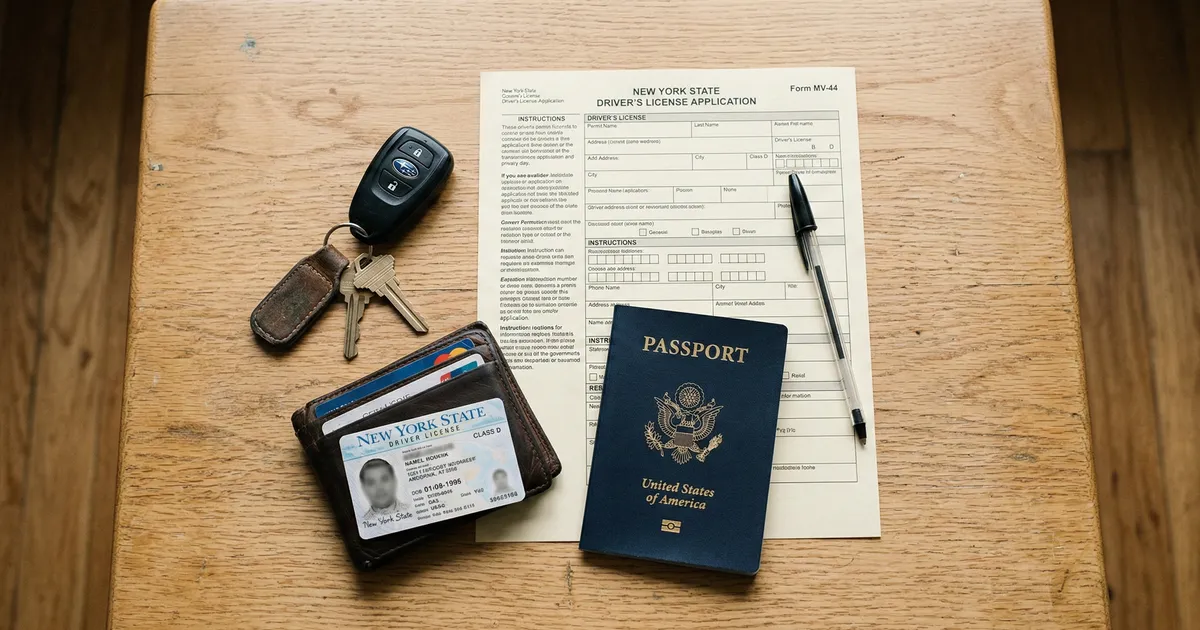
- Prepare your documents the night before so there's nothing to worry about day-of (complete checklist)
On test day
- Arrive early. Rushing increases cortisol levels and makes anxiety worse.
- Breathe deliberately. Before starting, take 5 slow breaths: 4 seconds in, 4 seconds hold, 6 seconds out. This activates your parasympathetic nervous system.
- Read each question twice. Anxiety makes you rush and misread questions. Slow down intentionally.
- Skip and come back. If a question stumps you, mark it and move on. Dwelling on one question increases anxiety for the rest.
Reframe the test: You're not being judged — you're answering 25 multiple-choice questions about road rules. You already know most of this from daily life. The test is confirming what you know, not trying to trick you.
If anxiety is severe
If test anxiety significantly impacts your daily life, consider speaking with a healthcare provider. Test anxiety is a recognized condition and there are effective treatments. For the DMV specifically, some states offer accommodations for documented anxiety disorders.